A unique conservation approach in Hawaiʻi is turning a growing environmental challenge into an opportunity for both sustainability and community engagement—by encouraging people to catch and eat invasive fish species.
According to People, a recent fishing tournament in Hawaiʻi brought together residents and conservation groups with a simple but powerful goal: reduce the population of harmful invasive reef fish by harvesting them for food. The event is part of a broader “Eat the Invaders” movement that blends environmental protection with culinary creativity.
Turning an ecological problem into a food source
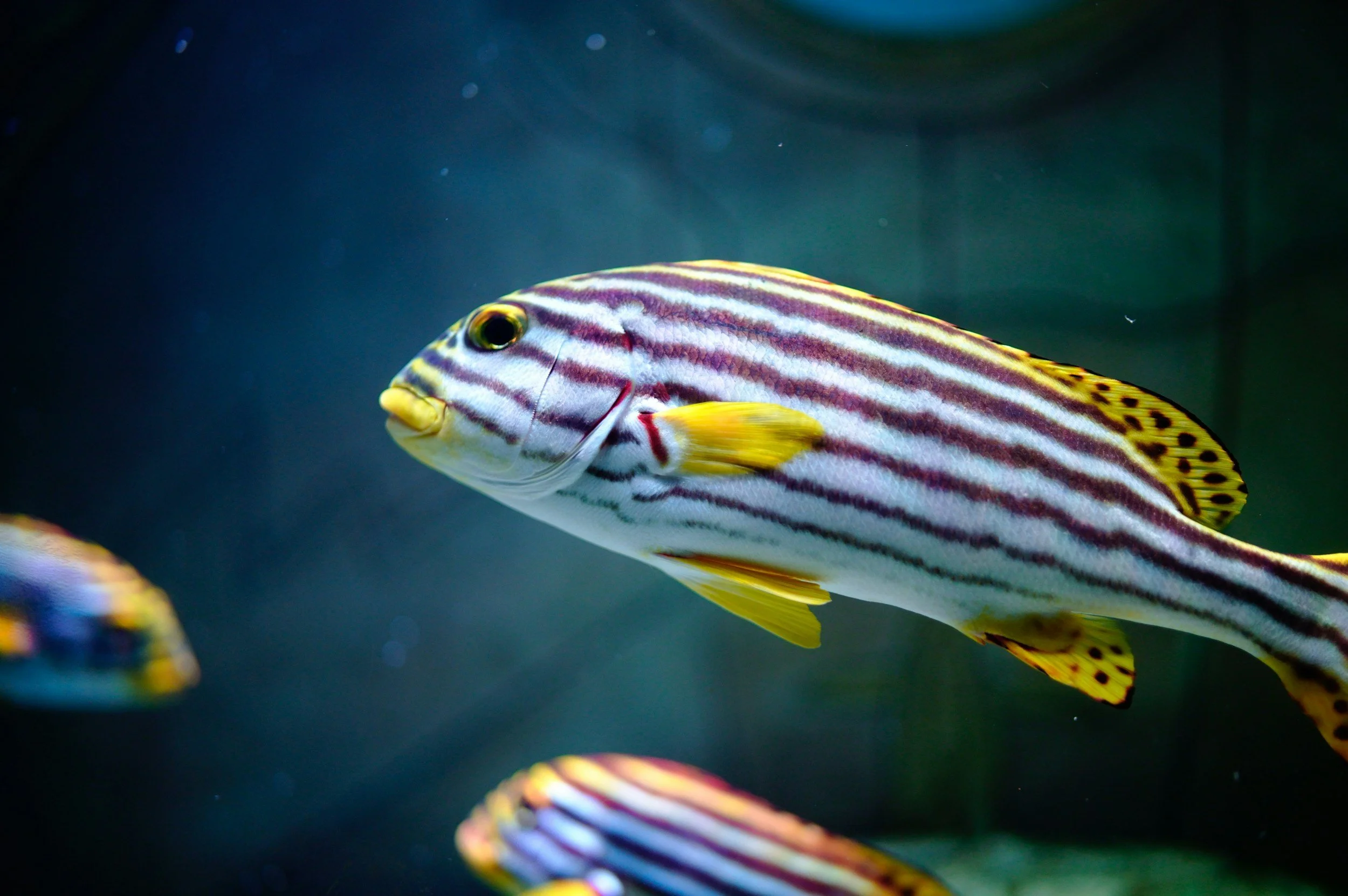
The tournament focused on invasive fish species that have spread across Hawaiʻi’s coral reef ecosystems, where they compete with native marine life for food and habitat. Rather than relying solely on traditional removal methods, organizers encouraged participants to fish these species and use them as a sustainable food source.
This “eat them to beat them” concept is gaining traction in conservation circles as a way to actively reduce invasive populations while also reducing waste and supporting local food systems.
Community-driven conservation in action
Events like this are typically organized by local environmental nonprofits and community groups that work to restore reef health. Participants often include experienced fishers, families, and volunteers who contribute both time and effort to help protect fragile marine ecosystems.
At the end of the tournament, catches are often weighed, documented, and in some cases prepared for community meals or shared among participants—reinforcing the idea that conservation can also be communal and educational.
Invasive fish species can significantly disrupt Hawaiʻi’s reef ecosystems. Because they have few natural predators in the region, their populations can grow rapidly, putting pressure on native fish and coral habitats.
Efforts like the “Eat the Invaders” tournament aim to help restore ecological balance by reducing these populations while raising awareness about the broader impacts of invasive species on ocean health.
While the Hawaiʻi tournament is local in scope, it reflects a wider global trend in conservation known as “edible ecology” or “consumptive conservation.” Around the world, chefs, scientists, and environmental groups are exploring ways to incorporate invasive species into food systems as a form of population control.
The “Eat the Invaders” initiative shows how community action, cultural food practices, and environmental stewardship can come together in a practical and impactful way. By rethinking how invasive species are managed, Hawaiʻi is helping to demonstrate that conservation can be both effective and accessible.